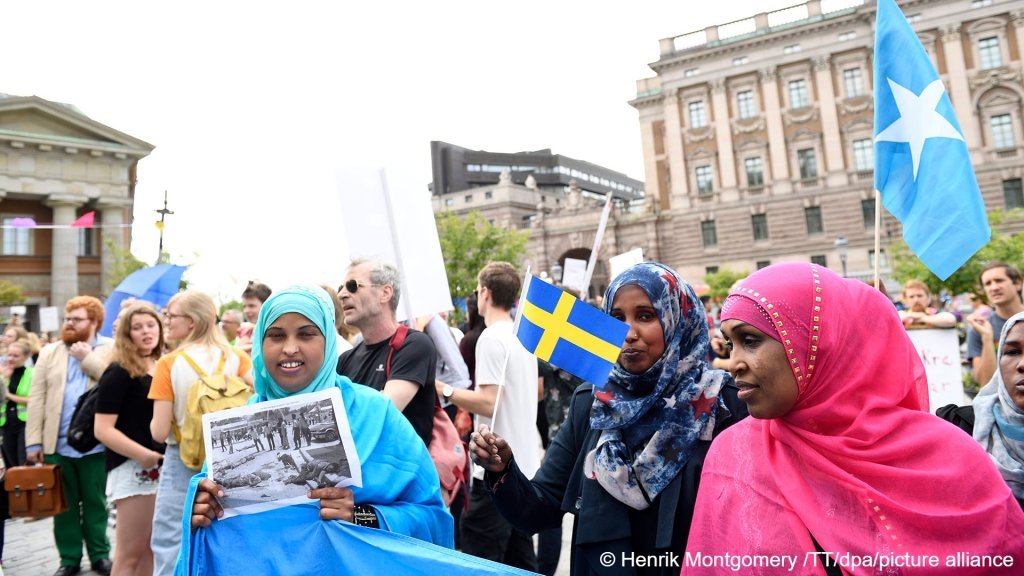

It has been exactly ten years since the autumn of 2015. For those of us living in Europe at the time, the images are burned into our memories: train stations in Malmö and Stockholm filled with exhausted families, volunteers handing out soup and blankets, and the sheer scale of human movement across the continent.
In 2015, Sweden took a stance that made headlines around the world. With the famous words “My Europe does not build walls,” the country opened its doors. But within months, that door was slammed shut, changing the course of Swedish history—and Swedish immigration law—forever.
Now, in October 2025, the Swedish Migration Agency (Migrationsverket) has released a landmark report titled “Ten years since 2015 – what happened?” It provides the definitive statistics on the 163,000 people who sought shelter in Sweden during that historic year.
In this detailed report, we analyze the numbers, the failures, the successes, and what this legacy means for anyone trying to move to Sweden today.
The Autumn of 2015
To understand the report, we must remember the atmosphere of 2015. The civil war in Syria was raging, and instability in Afghanistan and Iraq forced millions to flee. While Germany took the largest absolute number of refugees, Sweden took the most per capita (per person of population) in the entire European Union, alongside Hungary.
In just a few months (September to December 2015), Sweden’s systems were overwhelmed. Schools, social services, and the Migration Agency could not keep up.
- Total Arrivals: 162,877 asylum seekers.
- Unaccompanied Minors: 35,369 children arrived without parents (mostly from Afghanistan).
- The Peak: In October 2015 alone, nearly 40,000 people arrived.
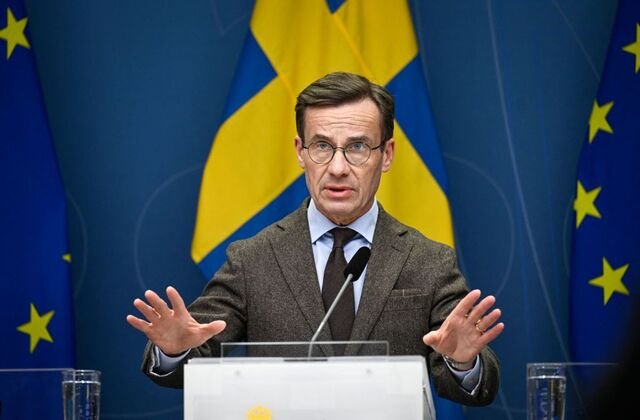
This pressure led to the historic press conference on November 24, 2015, where Prime Minister Stefan Löfven, standing beside a tearful Deputy Prime Minister Åsa Romson, announced a “paradigm shift.” Sweden went from having the EU’s most generous asylum laws to its minimum level. Border controls were reinstated, and permanent residence was replaced with temporary permits.
The 2025 Report: Where Are They Now?
The new report from Migrationsverket answers the big question: Did they stay?
The answer is overwhelmingly yes. Despite the political rhetoric about deportations and strictness, the majority of those who arrived in 2015 have built lives in Sweden.
- Read also:
- How to get a Swedish Schengen Visa (90-Day Visitor)
- Sweden : Your Guide to the Job Seeker or Startup Visa/Permit
- Sweden’s Migration Agency(migrationsverket) Closes Contact Centres,
- Complete Guide to Getting a Swedish Residence Permit as a Self-Employed Entrepreneur
- Work Permit Exemptions in Sweden – Who Can Work Without One?
- How to Apply for Sweden’s EU Blue Card: Step-by-Step
1. The Citizenship Success Story
The most striking statistic from the 2025 report is the rate of naturalization.
- 40% are now Citizens: Out of the 163,000 applicants, nearly 66,000 have already obtained Swedish citizenship.
- Syrians Lead the Way: Among Syrian nationals, the number is even higher. Because Syrians were generally granted permanent residence faster than other groups (before the laws tightened in 2016), they were able to apply for passports sooner.
This represents a massive demographic integration. These 66,000 people are no longer “migrants” in the legal sense; they are Swedish voters, passport holders, and an integral part of the nation.
2. Who Was Rejected?
Not everyone was allowed to stay. The report highlights a sharp divide based on nationality.
- Syrians: Most were approved (approx. 90% acceptance rate at the time).
- Afghans & Iraqis: These groups faced much higher rejection rates.
- The “Shadow Society”: One of the report’s darker findings concerns those who were rejected but refused to leave. Thousands of people went “underground,” living without papers, working in the black market, and avoiding authorities. Even ten years later, in 2025, Sweden is still grappling with how to handle this undocumented population.
3. Women and Children First?
The 2015 wave was predominantly male (approx. 70%), but the subsequent years saw a shift due to Family Reunification. The report notes that in the years following 2015 (2016–2019), tens of thousands of women and children arrived to join their husbands and fathers. However, the strict “Maintenance Requirements” introduced in 2016 (requiring a high salary and a big enough apartment to bring family) meant that many families remained separated for years—a trauma that continues to affect the integration of those living here.
Integration: Jobs vs. Welfare
The hottest political topic in Sweden today is integration. Did the 2015 cohort find jobs?
The report paints a mixed but improving picture.
- The First 5 Years: Employment rates were initially low. Learning Swedish (SFI) and validating foreign degrees took time.
- The 10-Year Mark: By 2025, a significant portion of the 2015 arrivals have entered the labor market. Many found work in Elderly Care (Äldreomsorg), Health Care, Transport, and the Restaurant industry.
- The Reality: Without the 2015 migrants, Sweden’s healthcare system and public transport networks would likely face severe staff shortages today.
How 2015 Changed the Laws (The 2025 Rules)
If you are reading this article and planning to move to Sweden today (for work, study, or asylum), you are facing the direct consequences of 2015.
The “Crisis of 2015” is the reason why the Swedish Parliament (Riksdagen) passed laws that made immigration much harder. Here is how the legacy of 2015 affects you in 2025:
1. The End of Permanent Residence Before 2015, if you got asylum, you got Permanent Residence (PUT) immediately. Today, that is gone. Everyone gets a temporary permit (13 months or 3 years) first. You must “earn” permanence.
2. The Language and Salary Requirements Because politicians felt integration failed after 2015, they introduced strict requirements for Permanent Residence.
- Language: You must now prove Swedish skills (expected to be fully implemented for PR soon).
- Self-Sufficiency: You cannot get Permanent Residence if you are on welfare. You must have a job.
3. The Salary Threshold for Workers Even work permit holders (who are not refugees) were affected. The government argued that low-skilled migration creates a “shadow society.” This thinking led to the massive salary threshold increase (now approx. 28,480 SEK in 2025) to ensure that only “profitable” migrants enter Sweden.