
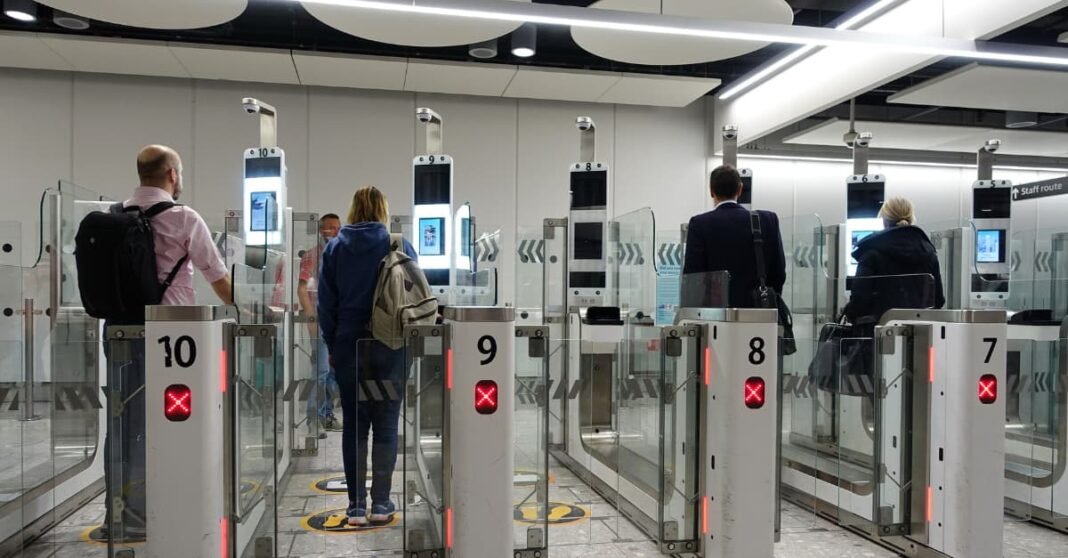

The European Union is on the brink of launching a significant digital transformation of its external border management with the introduction of the Entry/Exit System (EES). This new, automated system is set to fundamentally change how non-EU citizens cross the bloc’s borders, replacing the traditional manual stamping of passports with a sophisticated electronic record.
Key Details of the Entry/Exit System (EES)
The EES is a centralized IT system designed to register the entry, exit, and refusal of entry data for non-EU nationals crossing the external borders of the participating European countries.
- Launch and Timeline: The system’s phased rollout officially began in October 2025, following multiple delays. The EES is expected to be fully operational across all participating member states by April 10, 2026.
- Purpose: The primary goal is to modernize and strengthen border security. EES will provide a more reliable and accurate record of border crossings, help to systematically detect travelers who overstay the permitted 90 days within any 180-day period, and aid in the fight against identity fraud and irregular migration.
- Scope of Application: The EES applies to all third-country nationals (non-EU/EEA/Swiss citizens) who are traveling for a short stay (maximum 90 days in a 180-day period). This includes both visa-exempt travelers and those who hold a short-stay Schengen visa.
- Participating Countries: The system will apply at the external borders of 29 European countries, including all EU Member States (except Cyprus and Ireland), and the four Schengen-associated non-EU countries (Switzerland, Norway, Liechtenstein, and Iceland). Ireland and Cyprus will continue to process travelers manually.
Biometric and Personal Data Collection
A key element of the EES is the mandatory collection and storage of biometric data:
- Data Collected: Travelers will be required to provide biometric information, specifically a facial image (photograph) and four fingerprints.
- Exemptions from Fingerprints: Children under the age of 12 are exempt from providing fingerprints, though they will have their photo taken. Non-EU nationals with a valid long-stay visa will not have their fingerprints collected by the EES, as they would have provided them during their visa application.
- Data Storage: The collected personal and biometric data, along with the date, time, and location of entry and exit, will be stored in a central database for three years from the last recorded exit date, or five years in the case of an entry refusal.
- Replaces Passport Stamping: The system will fully replace the current practice of manual passport stamping, providing a clear digital record of compliance with Schengen stay limits.
The Border Process and Traveler Facilitation
The EES is designed to streamline border crossings in the long run:
- First Registration: On a traveler’s first entry after the system is launched, they will need to complete the full EES registration. This typically involves using self-service kiosks or dedicated booths to scan their passport and have their fingerprints and facial image captured under the supervision of a border officer.
- Subsequent Entries: Once a digital record is created, which is valid for three years, subsequent entries and exits will be faster, primarily requiring only a quick scan or check to verify identity.
- Advance and Pre-clearance: Travelers may be able to share some of this information in advance via a mobile application or utilize the self-service kiosks at border crossings to speed up the process. Furthermore, at some pre-clearance locations, such as for Eurostar trains departing from London to the EU, formalities will be completed before departure, eliminating the need for checks upon arrival in the Schengen area.
- Long-Term Residents: Non-EU nationals who hold a residence permit or a long-stay visa for an EU/Schengen country will not be required to register for the EES, as their personal data is already managed under different existing systems.
Initial Challenges and Advice
While the system is ultimately aimed at increasing efficiency, the initial transition period is expected to pose challenges:
- Potential Delays: Due to the first-time registration requirements, the rollout might initially result in longer waiting times at the EU’s external borders. Travelers are advised to anticipate possible delays during this implementation phase.
- Asylum Seekers: There are concerns that some vulnerable groups, such as asylum seekers, might face disadvantages or complications with the new digital and biometric-focused system.
The EES is a crucial component of the EU’s larger “Smart Borders” initiative, which also includes the upcoming European Travel Information and Authorisation System (ETIAS), a pre-travel authorization for visa-exempt travelers set to launch in late 2026. Together, these systems represent the most significant overhaul of European border control since the creation of the Schengen Area.
⚠️ Impact on Travelers: What to Expect During the EES Initial Rollout
The launch of the EU’s Entry/Exit System (EES), which began its phased rollout in October 2025 and is scheduled for full implementation by April 2026, represents a monumental shift in border processing. While the system promises greater efficiency and security in the long run, non-EU travelers should be prepared for potential challenges during the initial implementation period.
1. Expect Longer Wait Times Initially
The most significant immediate impact for travelers will be the potential for extended waiting times at border crossing points, especially at major airports, ports, and train terminals.
- The Registration Process: The first time a non-EU traveler enters the Schengen area after the EES is active, they must complete a full digital registration. This requires providing facial recognition data (a photo) and four fingerprints, in addition to passport data. Even if this process only takes a few extra minutes per person, multiplying this by hundreds of passengers can lead to significant queues.
- Teething Problems: Early reports from initial launch locations have noted technical glitches and reliance on border officers to manually collect the biometric data at passport control desks, which bypasses the intended speed of the self-service kiosks and causes major backups.
- Travel Industry Warnings: Travel groups and airlines have advised passengers to allow significantly more time for processing. Some experts recommend allowing an extra three to four hours upon arrival or before departure during this transitional period, particularly at busy hubs like Paris, Amsterdam, and Frankfurt.
2. Changes to the Border Procedure
Travelers must adjust to a new, data-driven border experience that replaces the familiarity of the passport stamp.
- First Entry = Full Registration: Be prepared for the process to take the longest on your first trip after the system’s launch. You will be actively participating in the data collection—either via a self-service kiosk or a dedicated booth, or by providing the data directly to a border guard.
- Subsequent Entries = Faster: Once your digital record is created and stored (valid for three years), subsequent entries and exits should be much faster. You will generally only need to provide a quick fingerprint or facial scan for verification against your existing file.
- Farewell to Stamps: The passport stamp will become a relic of the past, as all entry and exit data will be logged electronically. This ensures a precise and irrefutable record of compliance with the 90 days in a 180-day period short-stay rule.
3. Preparation is Crucial for a Smooth Trip
To minimize personal delays and frustration, travelers should take proactive steps before their journey.
- Check Your Passport: Ensure your passport meets EU machine-readable standards and is valid for the entire duration of your stay.
- Follow Airline Advice: Pay close attention to communication from your airline or ferry operator. They may be required to collect additional information before boarding and will provide specific guidance on check-in times and border procedures at your departure and arrival points.
- Plan for Pre-Clearance: If traveling on routes with pre-clearance (like the Eurostar from London to the Schengen area), be aware that the EES formalities will happen before you leave the UK, so arrive at the terminal much earlier than usual.
- Stay Informed on Phased Rollout: The implementation is gradual. While some locations, like certain UK ports, have experienced delays in the car passenger rollout, others are moving ahead. Knowing the status of your specific border crossing point can help you manage your expectations.
In essence, while the EES is a leap toward a more secure and eventually faster border, patience and preparedness will be a non-negotiable requirement for non-EU travelers during its initial months of operation.