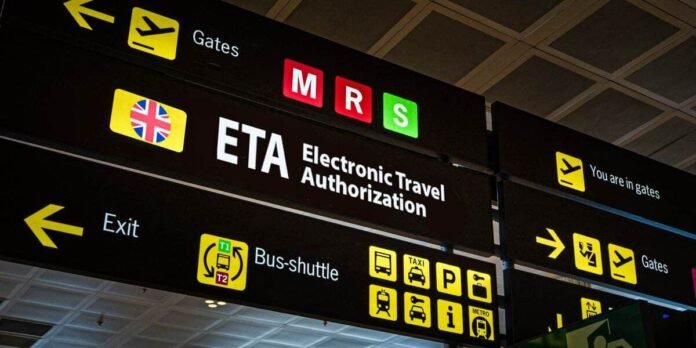


The UK government’s Immigration White Paper, “Restoring control over the immigration system,” published in May 2025, marks a decisive and strict shift in the nation’s approach to migration. The document signals a clear intent to significantly reduce net migration and make it substantially harder for people to move to and settle in the UK. While a White Paper doesn’t immediately change the law, it sets the stage for sweeping legislative amendments and changes to the Immigration Rules.
The May 2025 White Paper: Foundations for Strict Reform
The White Paper proposed wide-ranging changes, focusing on both high-level principles and specific, quantifiable policy shifts. Eight key proposals stand out for their potential impact on migrant communities:
- Extended Indefinite Leave to Remain (ILR): The standard qualifying period for permanent residence (settlement) is proposed to increase from the current five years to ten years. This is the centerpiece of the “Earned Settlement” proposal, with some individuals potentially qualifying sooner based on points-based contributions.
- Skilled Worker List Reduction: Shortening the list of eligible jobs for employer sponsorship, specifically removing most medium-skilled occupations (RQF levels 3-5) unless a specific exemption is recommended by the Migration Advisory Committee. This has already seen an initial reduction take effect on July 22, 2025.
- Ending Social Care Recruitment: The existing exemption allowing employers to recruit social care workers from abroad has been ended (effective July 22, 2025).
- Shorter Graduate Visas: The standard length of the Graduate visa for international students is to be reduced from two years to 18 months (effective from January 1, 2027, for new applicants).
- Stricter English Language Rules: Raising the required English standard (from B1 to B2) for new applicants on routes like the Skilled Worker visa (effective January 8, 2026) and requiring English proficiency for partners seeking dependant visas.
- International Student Levy: Exploring a levy on English universities’ income derived from international student fees.
Settlement: The Ten-Year Hurdle and the ‘Earned’ Path
The proposal to extend the ILR waiting period is perhaps the most concerning for migrants. Replacing the five-year path with a standard ten-year wait introduces massive uncertainty.
The “Earned Settlement” scheme suggests a shorter pathway is possible for those who make “Points-Based contributions to the UK economy and society.” Home Secretary Shabana Mahmood has indicated that relevant factors will include being in work; National Insurance payments; not claiming benefits; good English proficiency; and “giving back” to the community. However, the exact mechanism for earning these points remains unclear, pending a promised public consultation later in 2025.
Impact on Current Residents is Likely
A key question is whether these strict rules will apply to people already residing in the UK on existing five-year paths. While the government has not formally confirmed this, previous statements from ministers and the technical annex of the White Paper strongly suggest that the change is intended to affect those already here. As Home Office Minister Mike Tapp indicated, this is envisioned as a mechanism to encourage those who face a longer wait to eventually leave the UK.
Graduate Visa Holders Face a Cliff Edge
The concurrent changes to the Skilled Worker visa list and the Graduate visa rules have created an immediate crisis for many international students.
Many Graduate visa holders expected to transition to a sponsored Skilled Worker visa within the two-year period, often staying with their existing employer in medium-skilled roles. With the removal of many medium-skilled occupations from the eligibility list in July 2025, this pathway is now closed. This change affects Graduate visa holders in various sectors, including transport, dentistry, and prisons, leaving them with significantly reduced options for long-term residency.
The Legislative Process and What’s Next
Most of these changes—including visa and settlement regulations—do not require a vote in Parliament. They are implemented via Statements of Changes to the Immigration Rules, which take effect automatically unless MPs approve a specific motion of disapproval within 40 days.
While some highly specialized elements, like the international student levy, will require an Act of Parliament, the bulk of these significant reforms are set to be enacted through ministerial fiat. The government is expected to launch its public consultation on the earned settlement scheme later this year, which will finally provide the critical details on who is affected and how the new point system will function.
The 2025 White Paper signals that the UK is firmly prioritizing migration reduction over short-term economic gains, potentially sacrificing access to vital talent in exchange for perceived “control.”