
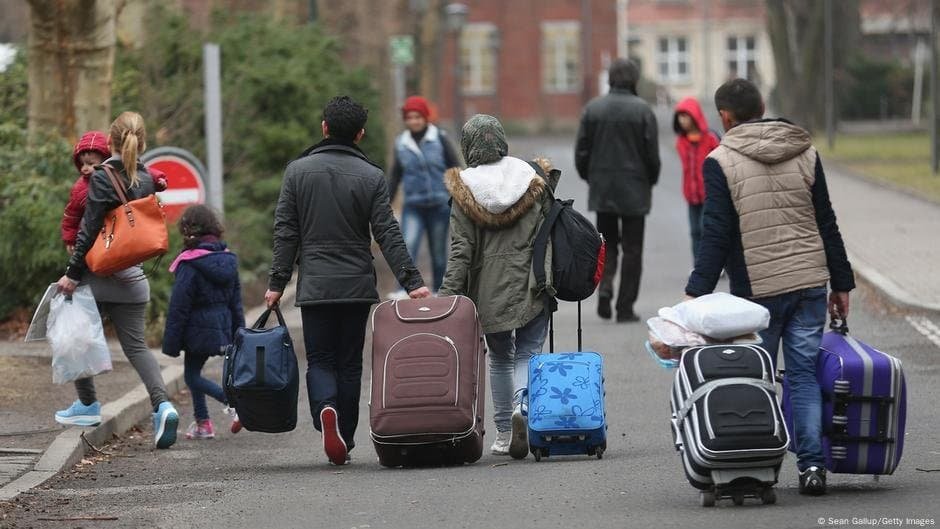

The European Union Agency for Asylum (EUAA) reported a sharp decline in asylum applications across the EU+ countries (EU Member States plus Norway and Switzerland) during the first half of 2025, largely driven by a major geopolitical event.
Key Figures and Cause of Decline
| Metric | Number/Rate | Context |
| Total Applications | 399,000 | Received in H1 2025, compared to over 518,000 in H1 2024. |
| Overall Drop | 23% | The most significant mid-year drop recorded in recent years. |
| Syrian Applications | 25,000 | Applications dropped by 66% year-over-year. |
| Reason for Drop | Fall of Assad Regime | The political change in Syria in late 2024 is credited with encouraging a significant number of displaced Syrians to consider returning home, thereby reducing new EU applications. |
Shift in Nationalities and Destinations
The sharp decrease in Syrian applications has fundamentally altered the top nationalities seeking protection and their preferred destinations:
- Largest Applicant Group: Venezuelans are now the largest group, filing 49,000 applications (up 31% year-on-year). Approximately 93% of these claims were lodged in Spain, often citing linguistic and cultural ties.
- Second Largest Applicant Group: Afghans with 42,000 applications, although their total number continued a downward trend since 2023.
- Top Destination Shift: Germany lost its long-held position as the main destination country. France (78,000) and Spain (77,000) both received more applications than Germany (70,000). Germany also saw the steepest proportional drop in applications at -43%.
Ongoing Systemic Pressure
Despite the fall in new applications, the European asylum system remains strained:
- Pending Cases: The backlog remains severe, with over 918,000 first-instance asylum applications still pending a decision at the end of June 2025.
- Recognition Rate: The EU+ recognition rate for first-time applications fell to a record low of 25%. The EUAA notes this low figure is mainly due to procedural factors (like formally closing Syrian applications that were put on hold or withdrawn) rather than a fundamental change in protection assessment standards.
This data underscores a major shift in the flow of migration to Europe, moving the focus from crisis-driven displacement (Syria) to politically/economically-driven migration (Venezuela).



