

Japan’s broader demographic data reveal that Japan is slowly but definitively changing its historically restrictive stance on immigration, driven by an urgent need for labor due to its severe population crisis.
Summary of the Article and Context
Japan has reached a new immigration milestone, with the number of foreign residents hitting a record 3.9 million, or approximately 3% of the total population as of June 2025. In 27 municipalities across Japan, foreign residents now comprise over 10% of the local population, signifying significant regional changes.
This influx is a direct result of the government quietly loosening visa rules for workers in crucial sectors such as manufacturing, agriculture, and caregiving, which are struggling with chronic labor shortages.
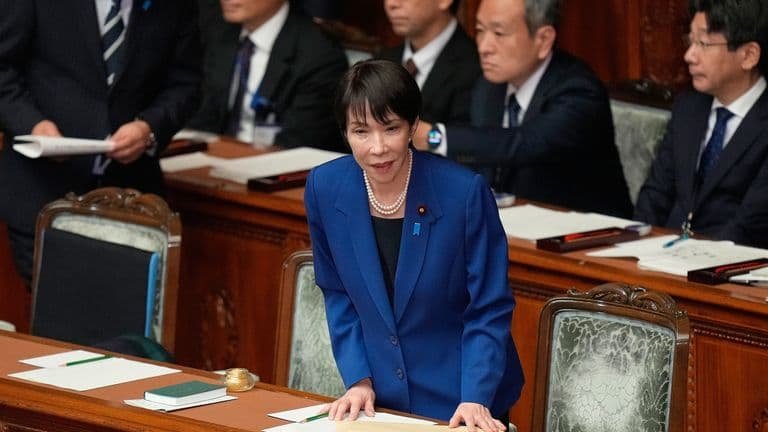
However, this demographic shift has triggered a public and political reaction. The election of Prime Minister Sanae Takaichi, who campaigned on concerns about the influx, underscores the public unease. Takaichi has pledged to enforce a crackdown on illegal immigration, visa overstays, and foreign land purchases. Despite this political pushback, experts are skeptical that the government can reverse the trend, as foreign workers are essential to maintaining the country’s economy. The long-term forecast by Japan’s National Institute of Social Security and Population Studies predicts that foreigners will account for 10.8% of the total population by 2070.
Japan is battling a world-leading demographic crisis, characterized by the oldest population in the world and one of the lowest birth rates. This creates a widening gap between the shrinking workforce and the growing needs of its elderly population. To cope, the government has introduced several targeted programs:
- Specified Skilled Worker (SSW) Visa: Launched in 2019, this two-category visa is a major departure from previous policy, offering a path to long-term residency and family reunification for skilled foreign workers in 12-14 specific sectors (e.g., nursing care, construction).
- Technical Intern Training Program (TITP): While controversial for reports of exploitation, the TITP has long been a primary source of foreign, low-skilled labor in Japan. The government is now moving to reform this program due to persistent concerns about worker rights.
- Economic Necessity: Without immigration, the Japanese economy faces significant contraction. Foreign workers are not just filling jobs, but sustaining essential services, particularly the critical elder care industry, where demand far outstrips the available domestic workforce.
In essence, Japan is in a difficult position: it must import labor to survive economically, but it must manage the social and political resistance that comes with challenging its long-held identity as a largely homogenous nation. The current policy reflects a compromise—actively courting necessary workers while addressing domestic concerns about integration and border control.