
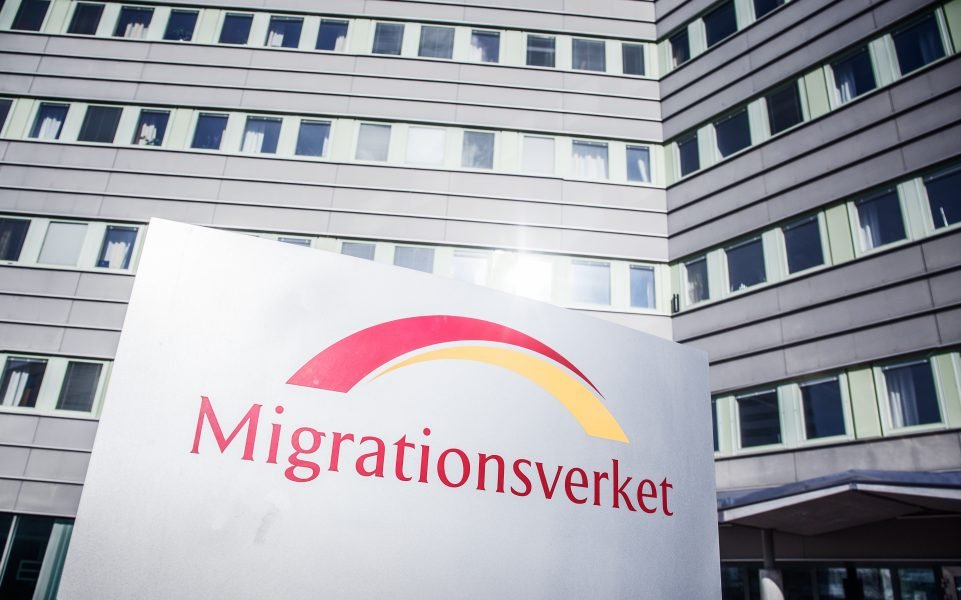

A strict interpretation of immigration laws in Sweden has led to a troubling phenomenon that not only impacts individual lives but also severely damages the country’s critical workforce needs. This trend, often referred to as a “brain drain,” sees employed, highly-skilled professionals being denied renewed residence permits due to minor technical errors in their applications.
This problem highlights the complex challenges within the Swedish system, as exemplified by the recent case of Sasan Kazemian, a medical specialist. Dr. Kazemian, an ST-läkare (Specialist Trainee Doctor) who was actively working, was denied a renewed residence permit by the Swedish Migration Agency (Migrationsverket). Understanding the procedures and requirements of government bodies in relation to his case is essential for anyone aspiring to work in Sweden. You can find detailed information regarding the conditions for working in Sweden in the official Migrationsverket Work Permit Guide.
The Severity of Rules: Technical Compliance Over National Need
Under the Swedish immigration system, the approval of an application often depends not on the national demand for a profession (like doctors), but on whether the applicant has adhered to 100% of all technical requirements.
- Case Study: Dr. Sasan KazemianDr. Kazemian, originally from Iran, was working in a sector where Sweden faces an acute staff shortage. During the renewal process for his residence permit, he was advised by Migrationsverket that his prospects for approval would improve if he dropped his ongoing legal appeal, returned to Iran, and submitted a new application. He followed this advice, but Migrationsverket still rejected his new application. This denial sparked strong criticism from the Swedish Medical Association (Läkarförbundet), which deemed the immigration system “unreasonable.”
- Primary Reason for Denial: The Self-Sufficiency RequirementA major obstacle for permanent residence and permit renewal is the “self-sufficiency requirement.” Migrationsverket must ensure the applicant can financially support themselves and their family in the future. This condition often requires proof of a stable income or an employment contract for a specified duration extending beyond the application time. While the rule can vary, it often mandates that the income or contract be valid for at least 12 to 18 months going forward. Long processing times frequently change the circumstances for applicants, leading to their rejection on purely technical grounds.
- Read more:-
- Sweden’s repatriation grant will be increased on January 1, 2026—With Strict New Measures to Combat Fraud
- Sweden is Introducing Stricter Rules for Family Immigration
- How to get a Swedish Schengen Visa (90-Day Visitor)
- Sweden : Your Guide to the Job Seeker or Startup Visa/Permit
- Sweden’s Migration Agency(migrationsverket) Closes Contact Centres,
The Appeal Process and the Path Forward
If an applicant faces a rejection from Migrationsverket, they have the right to appeal the decision.
- Right to Appeal: You have the right to appeal the decision of Migrationsverket to a Migration Court to seek a reversal. The deadline for appeal is clearly stated in the decision, and it is mandatory to submit the appeal within that period.
- Legal Status: If a permit renewal is denied, the applicant must begin planning to leave Sweden, even if an appeal is pending. The decision clearly specifies whether you have the right to remain in Sweden while your appeal is being processed.
- Recommendations: The Medical Association is now demanding the creation of a “Fast Track” for doctors and a more objective and consistent process within Migrationsverket to prevent the loss of skilled workers from the country.
This issue in Sweden clearly illustrates how a small technical flaw in immigration regulations can lead to the departure of skilled immigrants, fueling a broader national debate on whether national economic interest should take precedence over strict administrative adherence. If your residence permit application is rejected, you should consult the official Migrationsverket How to Appeal guide to understand your rights and the next steps.