
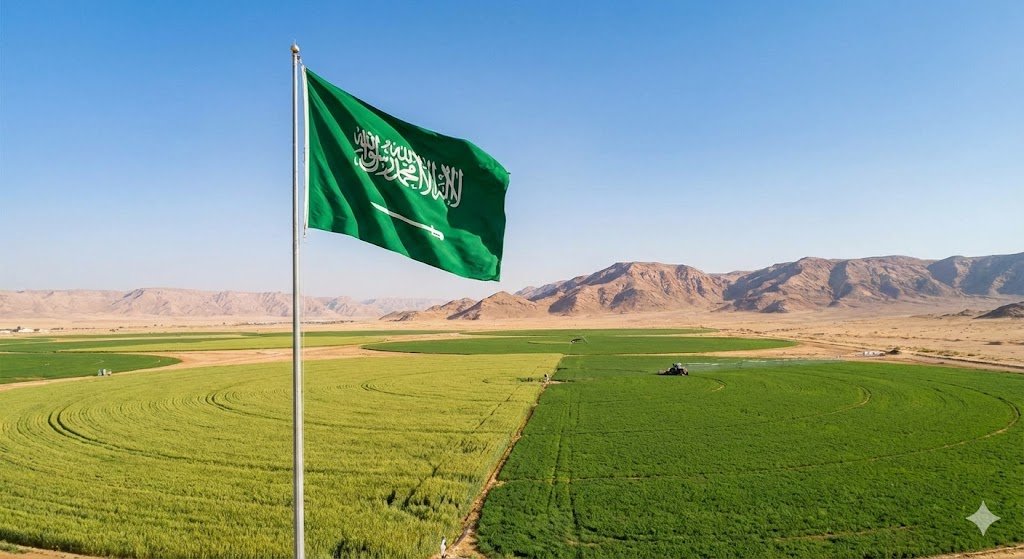
In a landmark move to modernize the labor market and align with Vision 2030, the Saudi Ministry of Human Resources and Social Development (HRSD) has announced comprehensive new regulations for agricultural and herding workers effective immediately. These reforms, set to reshape employment standards through late 2025 and into 2026, mandate a 30-day paid annual leave, weekly rest days, and strict overtime compensation for individual employees. This strategic overhaul targets the private employment sector, ensuring that shepherds, farmers, and private agricultural staff receive legal protections comparable to the corporate sector, marking a significant step in the Kingdom’s commitment to human rights and labor reform.
A Major Shift in Labor Rights for 2026
The Ministry’s decision represents a pivotal shift for the “individual establishment” sector, which includes private farms, home gardens, and livestock herding. Historically, this sector faced challenges with unregulated working hours and unclear benefits. The new framework, details of which can be found on the official HRSD website, formalizes the relationship between the employer and the worker.
By implementing these standards now, Saudi Arabia is setting the stage for a fully regulated labor market by 2026, ensuring that the agricultural sector attracts skilled labor while protecting the dignity and rights of the workforce.
- Read More:-
- Romania’s 2026 Labor Quota: 100,000 Work Visas
- Portugal Abolishes Standard Job Seeker Visa
- How to Get Portugal’s Digital Nomad Visa (D8)
- Estonia Employment Visa: Step-by-Step Guide
- New Zealand’s New Seasonal Visas
- Saudi Arabia Tourist Visa: The Ultimate Guide
Annual Leave and Official Holidays
One of the most significant changes is the standardization of leave. Under the new regulations:
- Annual Leave: Workers are now entitled to a paid annual leave of 30 days for every year of service. If a worker leaves employment before utilizing this leave, they are legally entitled to monetary compensation for the unused days.
- Religious and National Holidays: In addition to annual leave, workers are entitled to fully paid days off for Eid Al-Fitr (4 days starting from Ramadan 29), Eid Al-Adha (4 days starting from Arafat Day), Saudi National Day (September 23), and Founding Day (February 22).
This alignment with the general labor law ensures that agricultural workers can observe religious and national occasions without financial penalty.
Working Hours, Overtime, and Rest Periods
To combat overwork and ensure physical well-being, the Ministry has imposed strict limits on working hours, which can be reviewed on the Labor Education Portal:
- Daily Limits: No worker shall be employed for more than 8 hours per day.
- Weekly Rest: Workers must receive at least one day (24 consecutive hours) of paid rest per week. If work is required on this day due to emergency circumstances, the worker must be compensated with an alternative rest day.
- Mandatory Breaks: It is prohibited to make an employee work for more than five consecutive hours without a break. A break for rest, prayer, and meals must be provided for at least 30 minutes, and these breaks are counted as part of the official working hours.
- Overtime Pay: Any work performed beyond the standard 8 hours is considered overtime. Employers are mandated to pay an additional 50% of the basic hourly wage for these extra hours.
Employer Obligations: Housing, Fees, and Documents
The new regulations place specific financial and ethical responsibilities on the employer (sponsor). According to the guidelines available on the Musaned Platform, employers must strictly adhere to the following:
- Government Fees: The employer is responsible for paying all fees related to the recruitment process, residency permit (Iqama) issuance and renewal, and exit/re-entry visas. The worker must not be charged for these.
- Passport Possession: It is strictly prohibited for the employer to withhold the worker’s passport, residency permit, or any personal identity documents.
- Living Conditions: The employer must provide suitable accommodation, food (or a food allowance), and transportation (or a transport allowance) if the accommodation is not on-site.
- Healthcare and Repatriation: In the unfortunate event of a worker’s death, the employer bears the cost of burial or transporting the body to the home country.
Probation Period and Contract Termination
To ensure flexibility for both parties, the regulations allow for a probationary period.
- Duration: The employer and worker can agree on a probation period not exceeding 90 days from the start of work.
- Termination: During this period, either party may terminate the contract without paying compensation.
- Limitation: A worker cannot be placed on probation more than once by the same employer.
Prohibitions and Worker Responsibilities
The Ministry has set an age limit to prevent child labor and exploitation. Employers are prohibited from hiring any agricultural or herding worker under the age of 21 years.
Conversely, workers have specific obligations to fulfill their contracts. They must respect the employer’s privacy, protect the employer’s property, and refrain from working for third parties or engaging in self-employment. Violation of these terms can lead to legal penalties and deportation.
These regulations are a testament to Saudi Arabia’s evolving legislative landscape. As we approach 2026, the Kingdom is establishing a robust legal infrastructure that guarantees fairness for expatriates and citizens alike. For employers, compliance is not optional; strict monitoring systems are in place. For workers, these laws provide a new level of security and financial stability.
For more detailed inquiries or to file a complaint regarding violations, workers and employers are encouraged to visit the Ministry of Human Resources Contact Page.
Frequently Asked Questions (FAQs)
How many days of annual leave do agricultural workers get under the new law?
Under the new regulations, agricultural and herding workers are entitled to a minimum of 30 days of paid annual leave for every year of service.
Is the employer allowed to keep my passport?
No. According to the official HRSD regulations, employers are strictly prohibited from keeping the worker’s passport or any personal identity documents.
What is the overtime rate for herding workers?
If a worker works more than the standard 8 hours a day, the employer must pay overtime equivalent to the basic hourly wage plus an additional 50%.
Can a worker be hired if they are under 21 years old?
No. The new regulations explicitly prohibit the employment of agricultural workers or shepherds under the age of 21.
Who pays for the Iqama renewal and visa fees?
The employer is fully responsible for paying all recruitment fees, Iqama (residency) fees, renewal fees, and exit/re-entry visa costs. The worker should not pay for these.
Is there a weekly day off?
Yes, workers are entitled to a weekly paid rest period of at least 24 consecutive hours.