
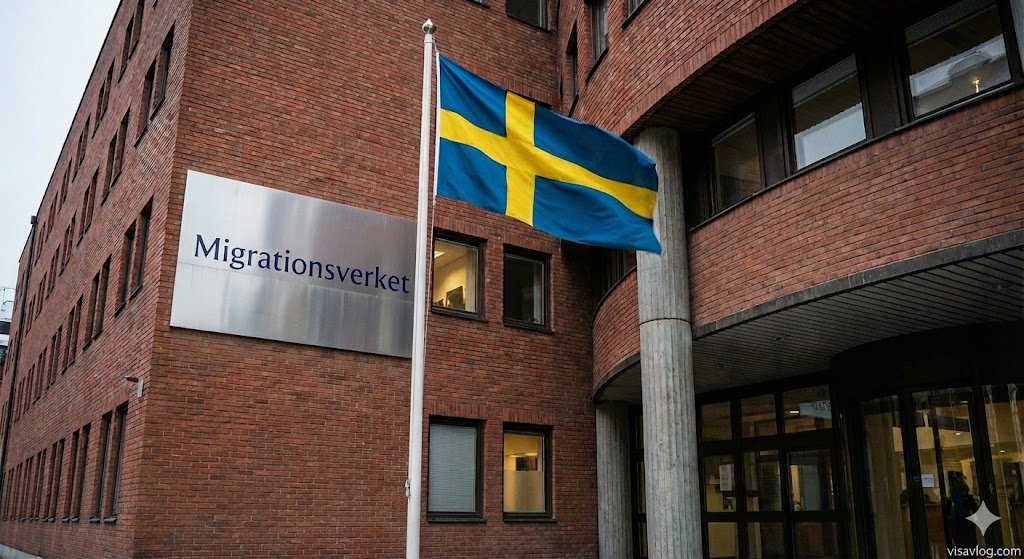

Sweden announces a rigorous 2026 plan to monitor foreigners and dismantle the “shadow society.” The new strategy integrates police, migration, and prison services to identify 100,000 undocumented individuals and enforce deportation orders.
The Swedish government has officially unveiled a rigorous new strategy designed to strengthen the monitoring of foreigners and dismantle the so-called “shadow society” by 2026. This comprehensive plan aims to identify over 100,000 individuals currently estimated to be living in Sweden without legal residence, facilitating stricter enforcement of immigration orders and enhancing national security through unprecedented inter-agency cooperation. As Sweden shifts its migration policy, this initiative marks a critical turning point in how the state manages residency, enforcement, and the deportation of those without the right to remain.
The Scale of the “Shadow Society”
The primary catalyst for this legislative and operational overhaul is the government’s assessment of a growing parallel society. According to official government data and statements from Swedish officials, more than 100,000 people are estimated to live in the country without a legal license or valid residence permit. This demographic includes individuals who have had their asylum applications rejected but refused to leave, as well as those who have overstayed visas or entered the country undetected.
The government refers to this phenomenon as a “shadow society”—a segment of the population that exists outside the protections, tax systems, and legal frameworks of the Swedish state. This lack of documentation not only makes these individuals vulnerable to exploitation by unscrupulous employers but also creates significant blind spots for national security services. Sweden’s Immigration Minister, Johan Forssell, emphasized to TV4 that the new plan focuses heavily on strengthening efforts against people living in vulnerable situations, particularly those who may have been involved in criminal actions or pose threats to national security.
- Sweden’s Family Reunion 2025: Complete Guide to Maintenance Requirements
- Sweden Work Permit Salary Threshold 2025-2026: The Complete A-Z Guide
- Why Getting Permanent Residence in Sweden is Becoming Harder and Harder
- Sweden Slashes Residence Permit Waiting Times for Families by 50% in 2025
- Sweden Finalizes Bill to Hike Work Permit Salary Threshold to 33,390 SEK by 2026
In alignment with these stricter controls, legislative changes are also being discussed regarding the permanence of status for those who violate laws. For more context on how residency rights are shifting, it is important to understand Sweden’s new revocation law regarding citizenship, which outlines how legal status can be stripped for misleading information or improper conduct.
A Tri-Agency Approach: Police, Migration, and Prisons
One of the most defining features of the 2026 plan is the structural consolidation of efforts between three major government bodies: the Police Authority, the Swedish Migration Agency, and the Prison and Probation Service. Historically, these agencies have operated with a degree of separation that created bureaucratic loopholes, often allowing individuals with deportation orders to slip through the cracks.
The new plan aims to strengthen cooperation to ensure a seamless chain of custody and information sharing. The government states that this will facilitate the use of prison centers and transfer arrangements to implement immigration decisions effectively. This is a significant development, as it implies that the Prison and Probation Service will play a much more active role in migration enforcement, not just for convicted criminals, but potentially for administrative detention of those awaiting deportation.
This intensified collaboration is designed to increase the actual execution rate of expulsion orders. Many observers have noted a shift in the operational tempo of Swedish immigration authorities recently. To understand the statistical data behind this trend, it is vital to examine why deportations from Sweden are increasing and analyze the 2025-2026 shift in enforcement policy.
Targeting Vulnerability and Criminality
While the government frames the initiative as a way to restore law and order, Minister Forssell also highlighted the protective aspect of the strategy. The “shadow society” is often a breeding ground for organized crime, where undocumented individuals are recruited as low-level enforcers or used for illicit labor because they cannot go to the police for help.
By bringing these individuals into the light—either by regularizing their status in rare cases or, more likely, by enforcing their departure—the government aims to cut off the supply of undocumented labor and recruits for criminal gangs. However, the plan is unyielding regarding those who pose a security risk. The focus is sharp: identify, detain, and deport.
This aligns with a broader legislative tightening where enforcement obstacles are being removed. The legal framework is being adjusted to ensure that refusal to cooperate with deportation is no longer a viable strategy for staying in the country. For a deeper dive into the legal mechanisms being deployed, you should review Sweden’s new strict rules for deportation orders, which details the hurdles authorities are overcoming to enforce these orders.
Implementation and Infrastructure by 2026
The year 2026 is set as the target for the full implementation of these monitoring systems. This timeline allows the government to upgrade its IT infrastructure for better data sharing between the police and migration agencies. It also provides time to expand the capacity of detention centers.
The involvement of the Prison and Probation Service suggests that the government anticipates a higher volume of detainees. Since standard migration detention centers (förvar) are frequently at capacity, the use of prison facilities or the transfer of staff and logistical expertise from the prison service to migration enforcement is a logical, albeit controversial, step. This ensures that when a decision is made to remove an individual, the state has the physical capacity to hold them until the flight departs.
This move is part of a long-term vision that could see even more radical changes in the coming years. There are already discussions about the durability of permanent residence permits themselves. The political climate suggests that “permanent” may no longer mean “unconditional.” This trajectory is explored further in the analysis of Sweden’s radical 2027 proposal for revoking permanent residence for asylum seekers.
Impact on Families and Social Structure
The ripple effects of this crackdown will be felt across Swedish society, particularly within immigrant communities. Critics argue that the intense focus on monitoring and detention creates a climate of fear, potentially discouraging people from seeking medical care or sending their children to school for fear of detection.
Furthermore, the tightening of internal controls is mirrored by stricter external controls. As the government seeks to reduce the number of undocumented people inside Sweden, it is simultaneously making it much harder to enter legally, specifically regarding family reunification. The bar for income and housing requirements is being raised to ensure that only those who can fully support their family members are allowed to bring them to Sweden. These changes are detailed in reports on how Sweden proposes major tightening of family immigration rules, identifying the soaring income requirements set to take effect.
Conclusion
Sweden’s announcement regarding the 2026 monitoring plan is a definitive statement that the era of lenient migration oversight is over. By integrating the powers of the police, migration, and prison services, the government is building a robust machinery capable of identifying and removing those without legal residence. While the stated goal is to combat the “shadow society” and reduce criminality, the breadth of the plan signifies a fundamental transformation of Swedish society into one where surveillance and strict compliance with immigration law are paramount.