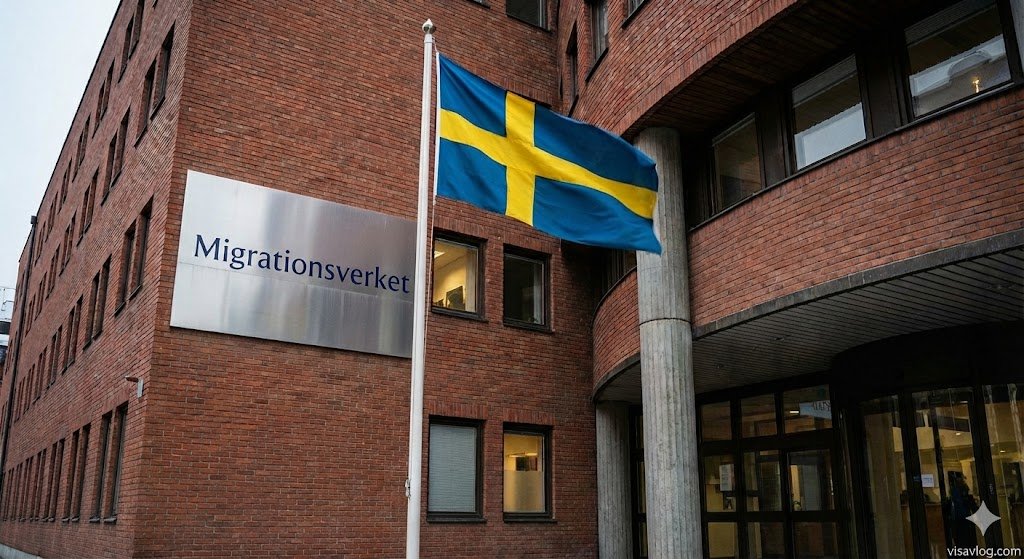

Planning family reunification in Sweden? A new proposal requires higher income and bans unemployment benefits. Read our detailed guide on the upcoming changes.
Stockholm, – In a significant move to reshape the country’s migration landscape, the Swedish Ministry of Justice has unveiled a sweeping proposal to drastically increase the financial maintenance requirements for family immigration. Presented on December 12, 2025, the proposal seeks to raise the income threshold by 30 percent and strictly limit the types of income that qualify. If approved, the new regulations are scheduled to enter into force on January 1, 2027.
The initiative, led by Migration Minister Johan Forssell, represents a pivot away from previous policies, aiming to ensure that sponsors in Sweden can fully support their family members without relying on social benefits. “We are moving away from a policy that in many ways has been virtually requirement-free, which has created major problems,” Forssell stated during the press briefing.
A 30 Percent Hike in Maintenance Requirements
Currently, the maintenance requirement for a sponsor in Sweden is tied to the “reserved amount” (förbehållsbeloppet) used by the Swedish Enforcement Authority (Kronofogden) for debt relief calculations. This amount is intended to cover basic necessities such as food, clothing, and hygiene, after housing costs are paid.
Under the new proposal, this standard amount will be increased by 30 percent.
For a cohabiting couple without children, the current “normal amount” for 2026 is estimated to be approximately SEK 10,314. Under the new rules, the required disposable income (after tax and housing costs) would rise to approximately SEK 13,400 per month.
- Read More:-
- New Swedish Crackdown: Must Report Cash Exports to the EU
- Portugal’s Citizenship Path Doubles: New Law Extends Residency to 10 Years
- South Korea Reaching 300,000 International Students Years Ahead of Schedule
- The UK Visitor Visa: A Comprehensive Guide
- The ‘Ukrainisation’ Storm: Facts in Poland’s Citizenship Debate
For a family consisting of two adults and two children, the financial bar is set significantly higher. Estimates suggest such a family would need a disposable income of roughly SEK 24,000 per month, plus the actual cost of their housing, to qualify for family reunification.
Stricter Definitions of “Income”
Beyond simply raising the monetary threshold, the government intends to fundamentally redefine what counts as valid income. The proposal outlines that only “work-related income” will be considered sufficient to meet the requirement.
Income sources that will no longer count include:
- Subsidized employment (subventionerade anställningar)
- Unemployment benefits (a-kassa)
- Activity support (aktivitetsstöd)
- Other benefit-based income
Allowed income sources include:
- Salary from regular employment
- Income from business activities
- Wealth or savings sufficient to support the family for a sustained period
However, the proposal does allow for some exceptions regarding work-related benefits. Short-term compensation paid during ongoing employment, such as sickness benefits or parental benefits, will generally still be counted towards the requirement.
New Rules for Permit Extensions
One of the most profound changes in the proposal is the application of these strict maintenance checks to extension applications. Historically, the maintenance requirement was primarily a hurdle for the initial residence permit. Under the new system, families will need to prove they still meet the financial criteria when applying to extend their stay.
To mitigate the impact of this rule, the government has proposed a crucial modification for extensions: the family’s joint income may be considered. This differs from the initial application, where typically only the sponsor’s income is assessed. This suggests that if the family member who moved to Sweden has secured a job, their income can help the family meet the threshold for remaining in the country.
Government Rationale and Context
The Ministry of Justice has framed these changes as essential for successful integration. The government argues that high exclusion rates and benefit dependency among immigrants are partly due to lax requirements that allowed families to reunite without a secure financial foundation.
“When family members come to Sweden, they all too often end up marginalised, living in overcrowded conditions and becoming passive,” Minister Forssell explained. By raising the bar, the government hopes to incentivize labor market participation and ensure that new arrivals have a stable economic start.
This proposal is part of a broader package of migration reforms, often referred to as “The Paradigm Shift,” initiated by the current government and supported by the Sweden Democrats. It follows the inquiry Skärpt försörjningskrav vid anhöriginvandring (SOU 2025:95), which was circulated for consultation earlier this year.
Timeline and Implementation
The proposal is currently being circulated for consultation (remiss), allowing relevant authorities, organizations, and the public to provide feedback.
- Proposal Date: December 12, 2025
- Consultation Period: Ongoing
- Target Implementation Date: January 1, 2027
Until the new laws take effect, the current regulations enforced by the Swedish Migration Agency (Migrationsverket) remain in place. However, the announcement serves as a clear signal to residents planning to bring family members to Sweden: the window for the current, more lenient rules is closing.
Impact on Families and Sponsors
The implications for foreign residents in Sweden are substantial. The exclusion of unemployment benefits and subsidized jobs means that sponsors in precarious employment situations will likely find it impossible to bring their spouses or children to Sweden. Furthermore, the 30% increase puts family reunification out of reach for many low-to-medium income earners, particularly those with multiple children and high housing costs.
Critics, including various human rights organizations and the political opposition, have raised concerns that these measures could lead to increased family separation and negatively impact the mental health of residents who are unable to reunite with their loved ones. Conversely, supporters argue that the policy is a necessary step to protect the Swedish welfare system and encourage self-sufficiency.
Official Sources and Further Reading
For those directly affected by these proposed changes, it is crucial to stay updated via official government channels.
- Government Press Release: Read the official announcement regarding the increased maintenance requirement at the Government of Sweden (Regeringen) website.
- Inquiry Report (SOU 2025:95): For a deep dive into the legal details and background of the proposal, access the full inquiry report here: Statens offentliga utredningar (SOU).
- Current Rules: To understand the regulations currently in force today, visit the Swedish Migration Agency (Migrationsverket).
As the legislative process continues through 2026, further details regarding specific exemptions and the calculation of housing costs will likely be clarified. Residents and prospective sponsors are advised to consult with legal experts or migration advisors to understand how these future changes may impact their specific cases.
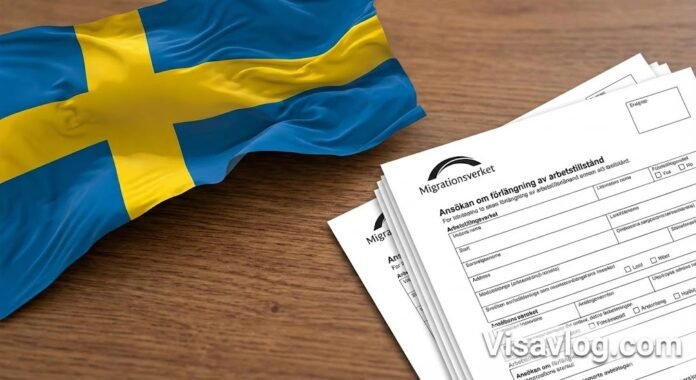



[…] Sweden Proposes Major Tightening of Family Immigration Rules: Income Requirements Set to Soar […]