
The proposal discussed is currently in the legislative drafting phase, with a target implementation date of January 1, 2027. Always verify with official government sources.
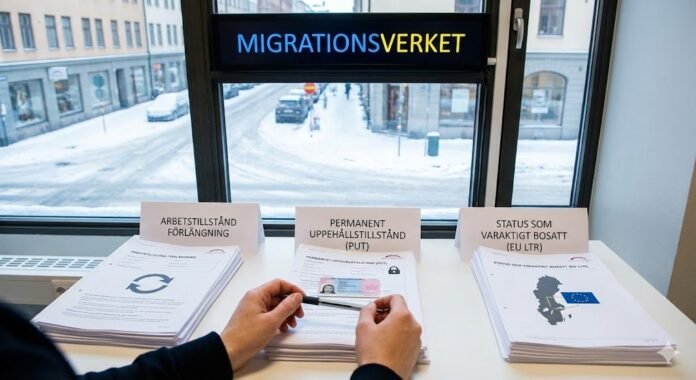
A major legal shift is looming for refugees in Sweden. According to a new analysis of government proposals released in late 2025, Sweden is moving to revoke permanent residence permits granted on asylum grounds and replace them with temporary ones. This “retroactive” law, aimed to enter into force on January 1, 2027, could affect up to 185,000 people. This article breaks down the proposal, the three specific exceptions for keeping your permit, and why legal experts are calling this a “paradigm shift” that turns permanent status into “until further notice.”
The Core Proposal: Ending “Permanent” Status
In late September 2025, a Swedish government commission of inquiry presented a proposal that fundamentally alters the security of refugees. As analyzed by legal experts on December 5, the primary aim is to establish a system where asylum-related residence permits are temporary by default.
The Shocking Change: The law proposes to retroactively revoke existing permanent residence permits (PUT) granted on asylum grounds.
- Target Group: Refugees, those with subsidiary protection, and family members (dependants) of asylum seekers.
- New Status: These individuals would be downgraded to Temporary Residence Permits.
- Impact: An estimated 185,000 people (including 16,800 children) could see their permanent status stripped away.
- Read More:-
- New Swedish Crackdown: Must Report Cash Exports to the EU
- Portugal’s Citizenship Path Doubles: New Law Extends Residency to 10 Years
- South Korea Reaching 300,000 International Students Years Ahead of Schedule
- The UK Visitor Visa: A Comprehensive Guide
- U.S. Visa Policy Tightens: Chronic Health Conditions Now Grounds for Denial
The Goal: Citizenship or Repatriation
The government’s stated rationale is twofold:
- Push for Citizenship: To “induce” people to apply for Swedish citizenship if they want security.
- Repatriation: To signal that if you do not become a citizen, your stay is not guaranteed.
However, the analysis highlights a catch: the requirements for citizenship (language tests, self-sufficiency) are also being tightened simultaneously, leaving many trapped in a temporary limbo.
The 3 Exceptions: Who Can Keep Permanent Residence?
The proposal lists three specific exceptions where revocation would not apply. If you fall into these categories, your Permanent Residence is safe:
- Citizenship Application Pending: You have registered an application (or notification) for Swedish citizenship with the Migration Agency on or before December 31, 2026, and a final decision has not yet been made.
- “Exceptional Reasons”: Specific humanitarian grounds where revocation would be disproportionate (though this is expected to be interpreted strictly).
- Children Aged 15+: For applicants aged 15 or older, if “no doubt exists” that they should retain permanent permits (likely due to long-term integration).
Timeline: January 1, 2027
While this is currently a proposal, the government is moving fast.
- Current Status: Legislative drafting chain.
- Target Date: The law is intended to enter into force on January 1, 2027.
- Deadline for Action: To use the “Citizenship Application” loophole, you must apply before December 31, 2026.
Official Sources & Analysis:
- Source Analysis: Verfassungsblog – When Permanent Turns Temporary
- Swedish Government Proposals: Government.se – Migration Policy
Frequently Asked Questions (FAQs)
I have Permanent Residence (PUT) as a refugee. Will I lose it?
Under this proposal, yes, unless you apply for citizenship before the end of 2026 or fall into an exception category. Your permit would be converted to a temporary one.
Does this affect Work Permit holders with PR?
The proposal specifically targets “asylum-related residence permits.” Work permit holders who gained PR through employment rules are generally not the primary target of this specific inquiry, but “dependants” are mentioned broadly.
Is this law final?
No. It is a Commission of Inquiry Proposal. It must still pass through the Council on Legislation (Lagrådet) and a vote in the Riksdag. However, it represents the government’s clear legislative intent for the 2026 election cycle.