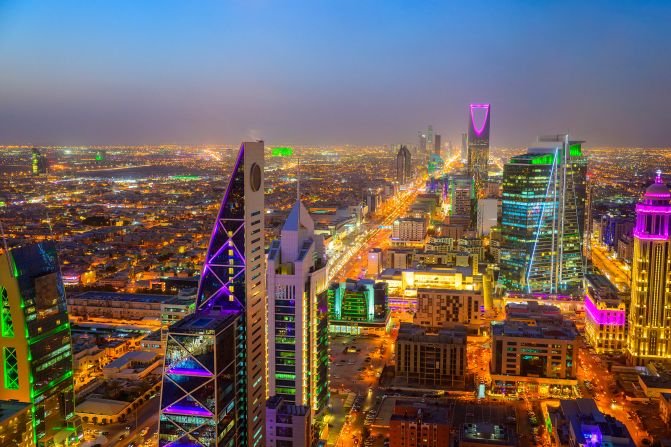

Saudi Arabia has opened its doors to the world. Once one of the most difficult countries to visit for leisure, the Kingdom has revolutionized its entry procedures under Vision 2030. Whether you want to explore the ancient ruins of AlUla, dive in the Red Sea, or perform Umrah, obtaining a visa is now easier than ever.
In this comprehensive guide, we break down everything you need to know about Saudi Arabia’s visa regulations, from the eVisa and Visa on Arrival to the Stopover Visa.
1. Overview: Which Visa Do You Need?
Saudi Arabia currently offers four main types of tourist entry visas. Choosing the right one depends on your nationality, residency status, and current valid visas you may hold for other countries.
- The eVisa: A purely digital process for citizens of eligible countries.
- Visa on Arrival: For eligible nationalities and holders of US, UK, or Schengen visas.
- GCC Residents Visa: For residents of Gulf Cooperation Council countries.
- Stopover Visa: For travelers flying via Saudia or Flynas airlines.
- Consulate Visa: For those who do not fit the categories above.
2. The Saudi eVisa
This is the most popular and convenient option. It allows you to apply online and receive your visa before you travel.
Who is Eligible?
Citizens of 66+ countries are currently eligible for the eVisa. This includes:
- North America: USA, Canada.
- Europe: UK, EU countries (France, Germany, Italy, Spain, etc.), Russia, Ukraine, Switzerland, etc.
- Asia/Oceania: China, Japan, South Korea, Singapore, Malaysia, Australia, New Zealand, etc.
- Note: Check the official list on
visitsaudi.comas new countries are added frequently.
Visa Features
- Validity: 1 year from the date of issuance.
- Entry Type: Multiple entries.
- Duration of Stay: You can stay up to 90 days at a time (not exceeding 180 days total per year).
- Allowed Activities: Tourism, Family Visits, Events, and Umrah (Note: Hajj is not allowed on this visa).
The Cost (Fees)
The total cost is typically around SAR 535 (approx. $142 USD). This breakdown usually includes:
- Visa Fee: SAR 300
- Medical Insurance Fee: Adjustable (mandatory)
- VAT and Transaction fees.
- Note: Fees are subject to change by the Ministry of Tourism.
3. Visa on Arrival
If you don’t want to apply online, you may be able to get a visa at the airport kiosks in Saudi Arabia.
Who is Eligible?
- Nationals of the 66+ eligible countries (same as the eVisa list).
- Holders of US, UK, or Schengen Visas:
- Crucial Condition: The US, UK, or Schengen visa must be valid, and it must have been used at least once to enter the issuing country/region before arriving in Saudi Arabia.
- You must travel on one of Saudi Arabia’s national carriers (Saudia, Flynas, or Flyadeal) if using the US/UK/Schengen exemption (though this rule is sometimes relaxed, it is safer to fly a national carrier).
Procedure
Upon arrival at a Saudi airport (Riyadh, Jeddah, Dammam, Medina), head to the “Visa on Arrival” kiosks or counters. You will pay the fee (credit/debit cards are usually required) and receive the visa instantly.
4. GCC Residents Visa
If you live in the UAE, Bahrain, Kuwait, Oman, or Qatar, you can apply for a simplified eVisa regardless of your citizenship.
- Requirement: Your GCC residency document must be valid for at least 3 months at the time of entry.
- Passport: Must be valid for at least 6 months.
- Profession: Previously limited to high-skilled professions, this has been significantly relaxed, but it is always best to check the specific profession eligibility on the
ksavisa.saportal.
5. The Stopover (Transit) Visa
Perfect for those with a layover who want to perform a quick Umrah or explore Jeddah/Riyadh for a few days.
- Eligibility: Available to anyone flying on Saudia or Flynas.
- Validity: Valid for 90 days, allows a stay of up to 96 hours (4 days).
- Cost: The visa fee itself is often waived (free), but you must pay for the administration and medical insurance fees.
- Application: You apply for this during the flight booking process on the airline’s website.
6. Requirements: The A-Z Checklist
Before applying, ensure you have the following:
- Passport: Must be valid for at least 6 months beyond your entry date.
- Age: Applicants must be 18+. Those under 18 must apply with an adult guardian.
- Photo: A digital passport-style photo (white background) if applying for the eVisa.
- Medical Insurance: This is mandatory. For eVisas, the insurance is automatically generated and included in the fee during the application process. It covers emergency medical cases (including COVID-19 treatment).
- Proof of Accommodation: (Sometimes requested) A hotel booking or address of a relative.
7. Step-by-Step Application Procedure (eVisa)
If you are eligible for the eVisa, follow these steps:
- Visit the Official Portal: Go to visa.visitsaudi.com or the unified government platform ksavisa.sa.
- Create an Account: Register with your email and passport details.
- Fill the Application: Enter your personal details, passport info, and expected travel dates.
- Upload Photo: Upload your digital photo according to the specifications.
- Pay the Fee: Use a credit or debit card to pay the visa and insurance fees.
- Receive Visa: The processing is very fast. Most applicants receive their eVisa via email within 30 minutes to 24 hours.
- Print/Save: Keep a digital copy on your phone and a printed copy just in case.
- Read more:
- Why Highly Skilled Immigrants Are Leaving Canada at Record Rates
- Italy is open to International Student Enrollment
- Poland Secures Exemption from EU Relocation Quotas: A Victory for ‘Solidarity in Fact’
- Germany welcomes more skilled immigrants.
- U.S. Homeland Security Launches ‘Operation Charlotte’s Web’ Targeting Irregular Migrants in North Carolina
- Sweden’s Skilled Exodus: Why Doctors are Denied Residency Despite Having Jobs
8. Important Rules and “Do’s & Don’ts”
- Umrah: You can perform Umrah on a tourist visa. You do not need a specific “Umrah Visa” unless you are coming via a travel agency group specifically for that purpose. However, you must download the Nusuk App to book your Umrah slot.
- Hajj: Tourist visas strictly prohibit performing Hajj. Hajj requires a specific visa and permit.
- Overstaying: There is a daily fine for overstaying your visa (approx. SAR 100 per day). Ensure you leave before your allowable days expire.
- Alcohol/Drugs: Alcohol is strictly illegal in Saudi Arabia. Do not bring it with you. Drugs carry severe penalties.
- Dress Code: The dress code has been relaxed. Abayas are not mandatory for female tourists, but modest dress (covering shoulders and knees) is required for both men and women in public places.
9. Conclusion
Saudi Arabia’s visa system is now one of the most streamlined in the region. Whether you are an American tourist, a UK resident, or a GCC expat, there is likely a digital pathway for you to enter the Kingdom.
Quick Verdict:
- Best for ease: eVisa.
- Best for budget (short trips): Stopover Visa.
- Best for spontaneity: Visa on Arrival (if eligible).
Disclaimer: Immigration laws change frequently. While this guide is accurate as of the latest updates from the Saudi Tourism Authority, always verify the latest information on the official Visit Saudi website before booking your travel.