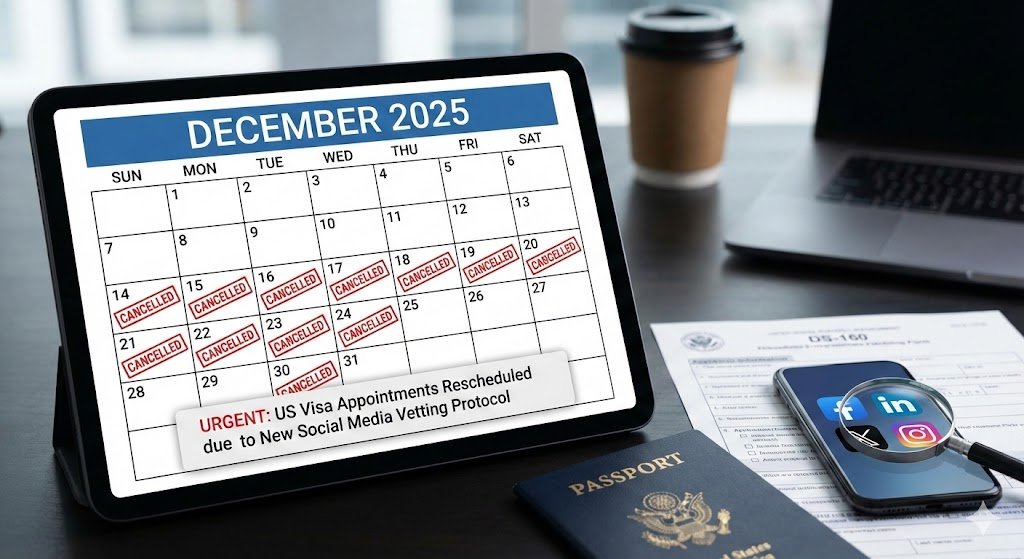

In a significant and sudden shift affecting thousands of skilled workers, US Consulates have begun cancelling and rescheduling visa appointments originally set for December 2025. This disruption is a direct result of a new, stricter security protocol mandated by the US Department of State, which officially comes into effect on December 15, 2025.
As we approach the 2026 immigration cycle, this development marks one of the most aggressive tightening measures for non-immigrant work visas in recent years. If you are an H-1B applicant or an H-4 dependent with an interview scheduled, it is critical to understand that your appointment may be pushed to March 2026 to accommodate these new “Public Profile” vetting requirements.
This guide details exactly what is changing, why appointments are being delayed, and the official steps you must take to comply with the new US visa policy for 2026.
The New “Public Profile” Mandate: Effective December 15, 2025
Starting mid-December 2025, the US Department of State is enforcing a mandatory “online presence review” for all H-1B (Specialty Occupation) and H-4 (Dependent) visa applicants. While the disclosure of social media handles on the DS-160 form has been a requirement for several years, the 2026 protocol introduces a much stricter operational rule: Reviewing Public Content.
- Read More:-
- -: From Student to Skilled Worker: Australia’s Temporary Graduate Visa
- -: Germany Declares Syrian Asylum Grounds Ended, Deportations Could Begin
- -: How to Get a U.S. B-1/B-2 Visitor Visa
- -: Is the UK Adopting Toughest Danish Immigration Model?
- -: New Fast-Track PR for Temporary Workers: Canada’s 33,000 Transition Initiative 2026-2027
Consular officers are now instructed to manually review the public social media activity of applicants to verify that their online presence aligns with the information provided in their visa application. This includes checking for consistency in employment history, educational background, and potential security risks.
Crucial Instruction for Applicants:
Under this new directive, you may be required to set your social media accounts (Facebook, LinkedIn, X, Instagram) to “Public” before your interview. If your accounts are private or if you fail to disclose a handle that is later discovered by consular officials, it could lead to significant delays or a refusal under “Administrative Processing” (Section 221(g)).
You can verify the specific requirements for your visa category on the official U.S. Department of State – Bureau of Consular Affairs website.
Why Are December Appointments Being Cancelled?
The primary reason for the mass cancellation of appointments in December 2025 is processing capacity.
The new social media vetting process requires consular officers to spend significantly more time reviewing each individual application. Consequently, the daily capacity for interviews at major US consulates (particularly in high-volume regions like India) has been drastically reduced. To manage this increased workload, US missions are rescheduling appointments to spread them out over the coming months.
- The Impact: Many applicants with interviews scheduled for mid-to-late December 2025 are receiving notifications that their slots have been moved to March 2026.
- Biometrics vs. Interview: According to official consular updates, Biometric appointments (fingerprinting and photo at the VAC) are generally not being cancelled. However, after completing biometrics, applicants are being informed that the actual consular interview will happen months later.
This delay is particularly problematic for H-1B workers planning to return to the US after winter holidays or those starting new employment in January 2026.
Action Plan: What To Do If Your Appointment Is Rescheduled
If you receive a cancellation notice, do not panic, but act immediately. The Official U.S. Visa Appointment Service is your primary portal for managing these changes.
1. Check Your Official Status:
Do not rely on third-party emails. Log in directly to the CEAC Visa Status Check portal to confirm the status of your application. If your appointment has been officially rescheduled, the new date will be reflected in your dashboard.
2. Audit Your Social Media Presence:
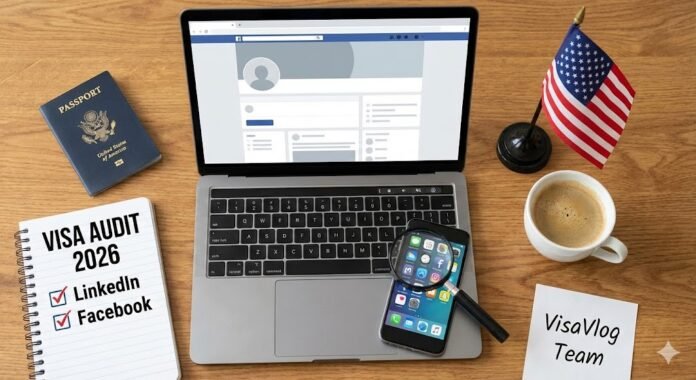
Before your rescheduled interview in 2026, conduct a thorough audit of your digital footprint. Ensure that your LinkedIn profile matches the resume and employment dates submitted in your H-1B petition. Discrepancies between your public professional profile and your official petition (Form I-129) are a common trigger for administrative processing.
3. Requesting an Emergency Appointment:
If the move to March 2026 causes severe financial loss or medical hardship, you may still qualify for an Emergency Appointment. You must submit a request through the appointment scheduling portal with documentary proof of your urgency (e.g., a letter from your US employer stating that your physical presence is required for a critical project by January 2026).
4. Monitor the Visa Bulletin:
For those waiting on Green Cards alongside their H-1B status, keep a close watch on the Visa Bulletin for January 2026 to see if your priority date has moved, as this can affect your long-term planning during this delay.
Looking Ahead: The FY 2026 H-1B Cap Season
This vetting crackdown comes right before the opening of the Fiscal Year 2026 H-1B Cap.
If you are a prospective applicant hoping to register for the H-1B lottery in March 2026, this new social media rule will apply to you from the very beginning of your application process.
- Registration Dates: The H-1B registration period will typically open in the first week of March 2026.
- New Fee Structure: Be aware that the beneficiary-centric selection process is fully in effect, and new registration fees introduced in 2025 will apply.
- Preparation: Employers should begin gathering beneficiary data now. Ensure that the passport details used for registration are valid and match the passport you will use for the visa stamp.
For full details on the registration process, visit the USCIS H-1B Electronic Registration Process page.
Summary of Key 2026 Changes
| Feature | Old Policy | New Policy (2026) |
| Social Media | Disclosure required on DS-160 | Mandatory Public Review by officers |
| Interview Time | Approx. 2-5 minutes | Extended vetting per applicant |
| Wait Times | Variable | Extended (Rescheduled to March 2026) |
| Biometrics | Same day/Separate day | Retained (Even if interview moves) |
Conclusion
The landscape of US immigration is shifting towards “extreme vetting” 2.0 as we enter 2026. The cancellation of December appointments is a logistical necessity for consulates to implement these rigorous security checks.
While the delay is frustrating, compliance is non-negotiable. Ensure your DS-160 is accurate, your social media presence is professional and consistent, and your travel plans are flexible. The VisaVlog Team recommends that all H-1B and H-4 holders currently in the US avoid non-essential international travel until they have a confirmed, secure visa stamping appointment that is not subject to these new cancellations.
Stay updated by checking the U.S. Citizenship and Immigration Services (USCIS) newsroom frequently.